Showing posts with label protect. Show all posts

Tuesday, February 3, 2015

Why your privately held business needs directors and officers insurance

D&O insurance protects your company and its board.
Every corporation relies on the guidance of its board of directors for success. Although lawsuits against larger, publicly traded companies receive the lion’s share of media attention, privately held corporations are also vulnerable to lawsuits by competitors, government agencies, creditors and employees. 

You can protect your hard-earned success by purchasing directors and officers insurance (D&O) coverage for your company. Read more of this post


by Tom Kelly for The Cincinnati Insurance Companies

Wednesday, May 28, 2014

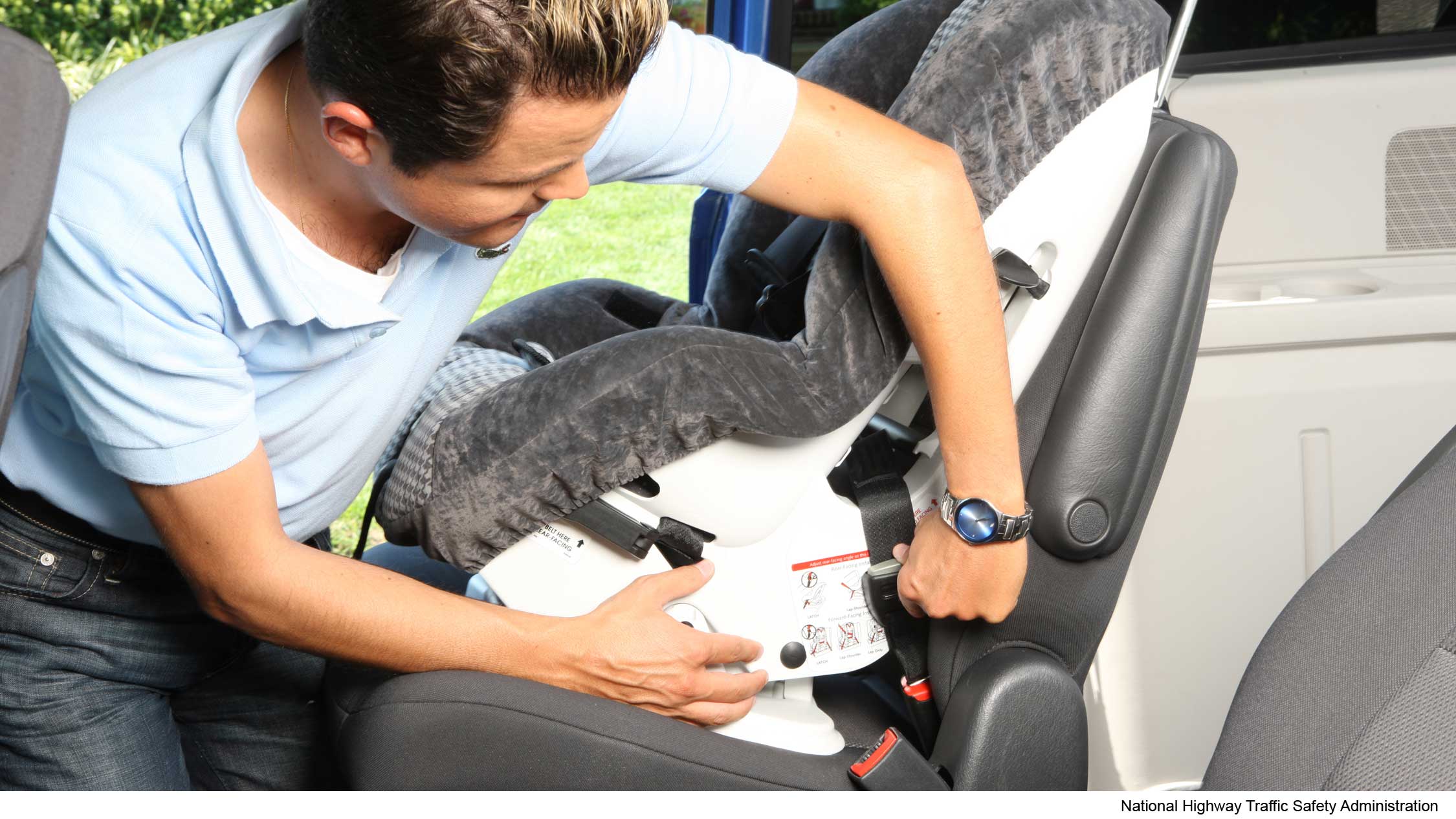
Properly installed safety seat can save a life

Proper installation is key to car seat protection.
One of the most important pieces of safety equipment a new parent can have is a child car seat. Just having a child car seat, however, is not enough. To truly receive the benefits the seat can provide, it must be properly installed.
Unfortunately, from 2007 to 2011 more than 3,600 children were killed in car accidents. More than a third of those were killed because they were not in a car seat or were in a car seat that wasn’t properly installed.
When my first child was born in April 2000, we bought a car seat, but we didn’t have a clue on how to install one. My local fire department was offering free installations, so I decided to check it out. I was shocked to see two firemen work to install the seat. One sat on the car seat base while the other pulled the seat belt with all his might, installed the locking clip and clicked it in. I remarked to one that it seemed like overkill. The firefighter said that, for the seat to do its job, it has to be that tight.
Five months later it was time to take a road trip to Chicago to show off our baby daughter to my family. As we approached downtown Chicago on the Dan Ryan Expressway at about 65 mph, traffic suddenly ground to a halt. We stopped in plenty of time, but a car behind us did not.
The entire event seemed to occur in slow motion. I saw the speeding car coming up fast in my rearview mirror. I yelled to my wife, in the back seat with my daughter, to hang on and, BAM, we were hit. The force of the impact knocked us into the car in front of us. My head knocked off the rearview mirror, and my knee went through the plastic trim below the instrument panel even though I was properly restrained. Before the crash, my daughter was fast asleep, but with the sudden jarring she was now screaming. We couldn’t tell if she was hurt, startled or both.
It seemed like an eternity, but it likely was only a few minutes before the fire department arrived on the scene. My wife and I were fine, but we had no idea about our daughter. The force of the impact had knocked her car seat handle up and over my driver’s seat. A firefighter cut the seat belt still holding the car seat in place, and they transported my daughter by ambulance to Chicago Children’s Hospital still in the car seat, not wanting to move her. The doctors saw her immediately and ordered x-rays to see the extent of the damage.
To everyone’s surprise, she was not harmed in any way. No broken bones, no scratches. She was completely fine. The paramedic, who remained with us this entire time, remarked that we must have had the car seat professionally installed. We told him we had the local fire department do it. He stated it was a good thing, for if there were any slack in the seat belt — even half an inch — our daughter likely would have died from the impact.
That day I became a believer in the importance of a proper car seat and the extreme importance of proper installation.  I encourage you to share my story with anyone with small children. You never know when an accident may occur, but if it does you want to be sure you did all you could to protect your child.
More information:                                                            http://www.safercar.gov/parents/index.htm                                                 http://buckleupforlife.org

Submitted by Steve Smith

Thursday, March 20, 2014

President Obama Will Sign Flood Insurance Relief Bill


Read our original post about the bill here: 
Congress Votes To Delay Flood Insurance Hikes
Last week, we wrote a post focused on the decision by both the U.S. Senate and House of Representatives to pass versions of a bill that would reverse certain measures of the 2012 Flood Insurance Reform Act, delaying significant rate hikes in federal flood insurance rates. These delays would mean continuation of a welcome cap on premiums for hundreds of thousands of homeowners.

Since clearing Congress, the bi-partisan bill has now been sent to President Obama, who White House officials say will sign it.

Critics say Washington is caving to pressure to undo some of the overhauls made to correct the budget crisis, for a program that is not fiscally sound or viable in the near term, which may be a detriment to taxpayers in the future. But for homeowners in flood zones, this comes as welcome news and a relief to their wallets.


Sunday, March 2, 2014


Is your business protected from hail?

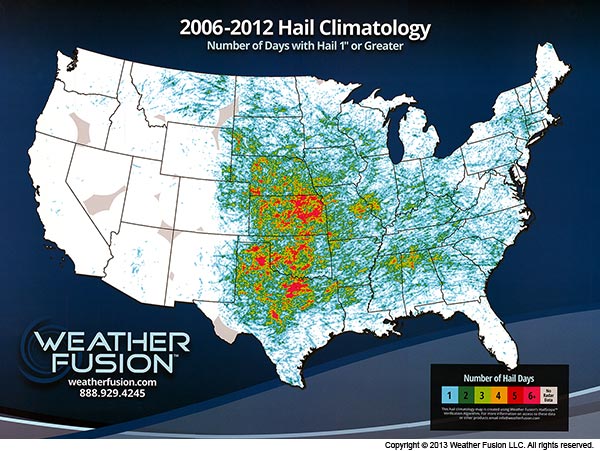
Most areas of the country experience hail storms that can cause significant damage to rooftop equipment, severely disrupting your business and costing you time, money or even customers.
A major hail storm can severely damage fins on your heating, ventilation and air conditioning equipment, rendering it inoperable. That may affect your operations or cause you to cancel functions.

You can take a few steps to help keep your business running smoothly and avoid down time by protecting the equipment that keeps your customers and employees comfortable.
Hail guards serve as a protective shield for your valuable heating, ventilation and air conditioning equipment, as well as roof vents and cooling equipment, which are highly susceptible to hail damage. Large hail can severely damage a unit, but small pellets can cause harm as well. Condenser coil damage, not noticed or addressed, affects the coil’s efficiency, increases your costs and shortens the useful life expectancy of your equipment.
Hail guards come in a variety of sizes and shapes, but most meet the needs for common equipment such as fans, air conditioners, condenser units, heaters and skylights. Many contractors offer customized options for hard-to-protect items. Look online for hail guards to find more information, resources and various types of guards.
When purchasing hail guards, consider ones that are:
  • strong enough to resist hail
  • porous enough to allow sufficient and unrestricted air flow
  • close enough to the unit to obstruct hail that strikes the roof and bounces up to the unit
  • equipped with taut mesh/fabric guards that have sufficient clearance from louvers or fins to prevent hail from deflecting into the fins
In most cases, hail guards warrant the investment when you consider the widespread frequency of hail storms and the relatively low cost of the guards compared to the down time, efficiency and shortened life or replacement of your valuable HVAC equipment. Contact your HVAC contractor or equipment manufacturer for more solutions to protect your valuable equipment and keep your business in business.
Submitted by Scott Robinson and Stephen Dale

Thursday, February 27, 2014

Safeguard valuable business records and papers

loss prevention
Take steps to protect paper documents and records
Even in our electronic, computer-driven world, few businesses can operate without acquiring a number of valuable papers and physical records. Losing them to a fire or natural disaster could seriously affect business operations. Before you have a loss, take steps to protect valuable papers, or consider ways to store copies.
You know your specific business needs, but valuable papers and records may include:
  • property deeds or construction plans
  • patient, customer or employee records (remember that some may contain information protected by state and federal privacy laws, requiring additional protection measures)
  • financial documents
  • original copyrights or patents to key products
  • product specifications
  • manuscripts or blueprints
  • customer lists
  • licenses, permits, contracts
Any business could experience a loss of valuable papers and records, most commonly from an accidental cause such as a fire. Earthquake or weather events such as tornado, hurricane or flood also account for a significant number of losses. Water damage can also occur from a plumbing failure, accidental discharge from a fire suppression system or backup of sewer and drains. And documents sometimes are the target of criminals seeking proprietary data or information for identity theft.
Replacing your valuable papers and records can be expensive and time consuming. Take precautions to protect your business by storing copies of documents and records at an off-site location.
Most commercial insurance policies include limited coverage to replace valuable papers and records. Additional coverage can be added to your policy by endorsement to cover certain situations at your business or when working off-site. Your insurance agent can help you determine how much coverage you need to protect your business.
When a loss occurs, your insurance claims representative can assist you with locating vendors that specialize in remediation and restoration of valuable papers and records.  USA.gov provides assistance with replacing vehicle registrations, tax returns, county and federal documents.

Submitted by Karen Roop